
وجه الحقيقة | إبراهيم شقلاوي يكتب الترقيع لا يصنع انتقالآ .

في المشهد السوداني المعقّد، يواصل صانع القرار انتهاج سياسة «التدرج» و«المدافعة» في التعامل مع ملف تعيين رئيس الوزراء الانتقالي، رغم إجازة الوثيقة الدستورية المعدلة لعام 2025، والتي يفترض أن تُمهّد الطريق نحو حكم رشيد وتنمية مستدامة، عبر حكومة كفاءات وطنية مستقلة. إلا أن الواقع يشير إلى استمرار الدولة في اعتماد نهج الإعفاء دون تعيين، وغياب الرؤية المعلنة لتشكيل حكومة كاملة الصلاحيات، في ظل ظروف تتداخل فيها اعتبارات الداخل والمحيط والإقليم.
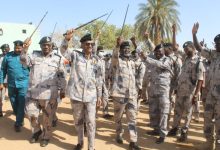
ويبدو أن رئيس مجلس السيادة الفريق أول عبد الفتاح البرهان، يترقّب نضوج اللحظة السياسية، وتهيّؤ بيئة الحد الأدنى من الاستقرار، أو ربما ينتظر اكتمال العمليات العسكرية في دارفور، آخر معاقل تمرد مليشيا الدعم السريع. غير أن هذا التريث، وإن بدأ مفهوماً في سياق الحرب، يثير تساؤلات مشروعة حول تأخر حسم عدد من الملفات الحيوية، لاسيما ما يتصل بعودة الحياة المدنية وإعادة الإعمار واستئناف النشاط المؤسسي للدولة، في وقت تتزاحم فيه أولويات المواطن السوداني، وتزداد وطأة التحديات.
الإعلان عن تشكيل حكومة جديدة في هذا التوقيت قد يُعدّ من باب “فن الممكن” في إدارة الأزمة، ومؤشراً على استعادة الدولة لعافيتها المؤسسية، إلا أن الواقع يؤكد أن ما حدث مؤخرًا هو سلسلة إقالات دون إعلان تعيينات بديلة. وهذا في حد ذاته يفتح باب التأويل: هل تمهّد هذه الإقالات لإعلان وشيك لحكومة كاملة، أم أنها مجرد استمرار لسياسة الترقيع عبر الإحلال الجزئي؟ سؤال تفرضه اللحظة، وتفتضيه مكاشفة الرأي العام.
فقد كشفت مصادر لمنصة “المحقق” عن إعفاء سبعة وزراء مكلفين، من بينهم وزيرا الشؤون الدينية والخارجية، في خطوة وُصفت بأنها “إعادة تقييم” لأداء مرحلة التكليف. غير أن غياب الإعلان عن البدلاء يُشير إلى غموض في الرؤية، أو إلى نية ضمنية لإعادة ترتيب أوسع قادم، خاصة إذا ما وُضعت هذه الخطوة في سياق التحولات العسكرية على الأرض، والتحركات الإقليمية الحذرة تجاه مستقبل السلطة في السودان.
الوزير الدكتور علي يوسف، الذي جاء من خلفية دبلوماسية رصينة، غادر موقعه بهدوء، بعد أداء مميز رغم الاعياء، الرجل حقق اختراقا ملحوظاً في عدد من الملفات لكن دائما ما كان يبدو مرهقا ، لكنه اصطدم بمعادلة التكنوقراط والسياسة، حيث بدأ معزولًا عن مركز القرار السيادي، وقلّ ظهوره في محطات الفعل الخارجي ، في مرحلة تتطلب تواصلًا مباشرًا مع القيادة، ومواكبة دقيقة لرهانات الانتقال.
وفي المقابل، وجد الدكتور عمر بخيت الاكاديمي، وزير الشؤون الدينية، نفسه في مرمى استقطاب اجتماعي وسياسي حاد، أضعف تجربته، وفتح الباب أمام إنهاء تكليفه دون ضجيج.. بالرغم من أن المرحلة القادمة تمثل أهمية خاصة بالنظر إلى ترتيبات إجراءات “الحج” الذي يستوجب استقرار الوزارة.
ورغم أهمية إعادة التقييم، إلا أن الاكتفاء بالإعفاء دون تعيين، يضع البلاد أمام سيناريوهين محتملين: إما أن القيادة تُمهّد لتشكيل حكومة كاملة بعد تعيين رئيس وزراء جديد، في خطوة ستُحدث فارقًا نوعيًا في مشهد الانتقال وتؤسس لمرحلة جديدة من الاستقرار، أو أنها تواصل سياسة الإحلال المحدود، بما لا يحقق اختراقًا حقيقيًا في ملفات التعافي.
وهنا يبرز سؤال جوهري: أي الخيارين أفضل في خدمة الاستقرار السياسي والإداري؟ الترقيع عبر تعيينات جزئية، أم إعلان رئيس وزراء يتولى تشكيل حكومة متكاملة؟ من منظور مؤسسي، يبدو الخيار الثاني هو الأقرب لمقتضيات المرحلة. إذ لا يمكن بناء استقرار دائم في ظل “تجريب مؤقت” وإبقاء المؤسسات رهينة قرارات فردية أو مواقف ظرفية.
لذلك تعيين رئيس وزراء وبدء مشاورات تشكيل حكومة كاملة، يُعدّ تعبيرًا سياسيًا عن نية الدولة في الانتقال الجاد، كما أنه يمنح الجهاز التنفيذي شرعية أوضح، وقدرة على التخطيط الاستراتيجي لا تتوفر في حالة التكليف المتقطع.
لكن في المقابل، قد ترى القيادة السياسية أن تشكيل حكومة شاملة في ظل استمرار العمليات العسكرية يشكل مخاطرة أو عبئًا على مؤسسة الدولة، لذلك تختار المسار الانتقالي البطيء، حتى تتضح الرؤية الأمنية وتُستعاد السيطرة الكاملة على العاصمة والولايات لاسيما ولايات دارفور .
في الحالتين، وبحسب ما نراه من #وجه_الحقيقة فإن المؤكد أن السودان لا يحتمل رفاهية الإنتظار، ولا غموض القرار. فالمطلوب في هذا المنعطف، هو وضوح الرؤية، وصدق التوجه، والشجاعة في إعلان المرحلة التالية التي ظل يتطلع لها السودانيون لتحقيق الأمن والإستقرار ، حتى لا تظل الدولة أسيرة قرارات مؤقتة او احتمالات غير داعمة للسلام و إعادة الإعمار، في زمن يحتاج فيه الناس إلى مؤسسات فاعلة و مستقرة. وحكومة تنفيذية قادرة علي قيادة البلاد. فلا انتقال دون قيادة ولا مؤسسات دون قرار ولا استقرار دون رؤية. وقد آن للسلطة أن تغادر مربع الترقب إلى ميدان الفعل، فالترقيع لا يصنع انتقالآ.
دمتم بخير وعافية.
السبت19 أبريل 2025 م Shglawi55@gmail.com
Face of Truth | Ibrahim Shiglawy
Patching Does Not Make a Transition
In the complex Sudanese scene, the decision-maker continues to pursue a policy of “gradualism” and “defensive maneuvering” in handling the file of appointing a transitional prime minister, despite the ratification of the amended Constitutional Document of 2025, which is supposed to pave the way for good governance and sustainable development through an independent national technocratic government. However, the reality indicates the state’s continued reliance on a policy of dismissal without appointment, and the absence of a declared vision for forming a fully empowered government, in a context where internal, surrounding, and regional considerations overlap.
It seems that the President of the Sovereignty Council, General Abdel Fattah al-Burhan, is awaiting the ripening of the political moment and the preparation of a minimally stable environment, or perhaps waiting for the completion of military operations in Darfur, the last stronghold of the Rapid Support Forces’ rebellion. However, this delay, while seemingly understandable in the context of war, raises legitimate questions about the delay in resolving a number of vital issues, particularly those related to the return of civilian life, reconstruction, and the resumption of the state’s institutional activity—at a time when the priorities of the Sudanese citizen are piling up, and the challenges are becoming more severe.
The announcement of forming a new government at this time may be seen as part of the “art of the possible” in crisis management, and as an indicator of the state’s institutional recovery. Yet, the reality confirms that what recently happened is a series of dismissals without announcing replacement appointments. This in itself opens the door to interpretation: are these dismissals paving the way for an imminent announcement of a complete government, or are they merely a continuation of a patching policy through partial replacement? This is a question imposed by the moment and necessitated by transparency with public opinion.
Sources revealed to the “Al-Muhaqqiq” platform the dismissal of seven acting ministers, including the Ministers of Religious Affairs and Foreign Affairs, in a step described as a “re-evaluation” of the performance during the mandate phase. However, the absence of announcements regarding their replacements points to a lack of clarity in vision, or to an implicit intention for a broader forthcoming rearrangement—especially if this step is placed within the context of military transformations on the ground and the cautious regional movements regarding the future of power in Sudan.
Minister Dr. Ali Youssef, who came from a solid diplomatic background, quietly left his position after a distinguished performance despite exhaustion. The man achieved notable breakthroughs in a number of files, yet he always appeared fatigued. He collided with the equation of technocracy and politics, as he became isolated from the center of sovereign decision-making and rarely appeared in foreign action platforms—at a stage that required direct communication with leadership and close monitoring of transitional stakes.
In contrast, academic Dr. Omar Bakhit, Minister of Religious Affairs, found himself in the crossfire of sharp social and political polarization that weakened his experience and opened the door for a quiet end to his mandate, even though the upcoming phase is particularly important in view of arrangements for the “Hajj” pilgrimage, which requires the ministry’s stability.
Despite the importance of re-evaluation, the mere act of dismissal without appointment places the country before two possible scenarios: either the leadership is paving the way for forming a full government after appointing a new prime minister—a step that will make a qualitative difference in the transition scene and lay the foundation for a new phase of stability—or it continues the limited replacement policy, which does not bring about real breakthroughs in recovery files.
Here, a fundamental question arises: which of the two options better serves political and administrative stability? Patching through partial appointments, or announcing a prime minister to form a full government? From an institutional perspective, the second option seems more in line with the requirements of the phase. It is not possible to build lasting stability amid “temporary experimentation” and keeping institutions hostage to individual decisions or circumstantial stances.
Therefore, appointing a prime minister and starting consultations to form a full government represents a political expression of the state’s intention for serious transition. It also grants the executive apparatus clearer legitimacy and strategic planning capacity not available under intermittent mandates.
On the other hand, the political leadership may see that forming a comprehensive government while military operations are ongoing constitutes a risk or burden on the state institution. Thus, it chooses a slow transitional path until the security vision becomes clear and full control is restored over the capital and the states, especially the Darfur states.
In both cases, and according to what we see from the #Face_of_Truth, what is certain is that Sudan cannot afford the luxury of waiting, nor the ambiguity of decision. What is required at this juncture is clarity of vision, sincerity of direction, and the courage to announce the next phase that Sudanese people have long awaited—for the sake of achieving security and stability—so that the state does not remain hostage to temporary decisions or possibilities that do not support peace and reconstruction, at a time when people need effective and stable institutions, and an executive government capable of leading the country. There is no transition without leadership, no institutions without decision, and no stability without vision. It is time for the authority to move from the square of anticipation to the field of action, for patching does not make a transition.
Stay well and safe.
Saturday, April 19, 2025
Shglawi55@gmail.com