
كفاية وما يحدث في الفاشر ( السياسة والمجتمع ) بقلم : كابتن محمد حسن الطاهر

التاريخ : أكتوبر. 2025. 29
✍️ في عالم تتقاطع فيه السياسة مع المجتمع، وتتشابك فيه الحركات الاحتجاجية مع الأزمات الإنسانية، تبرز أهمية المقارنة بين الظواهر المختلفة لفهم السياقات المحلية والدولية. ومن بين هذه المقارنات، تبرز حركة “كفاية” المصرية وما يحدث في مدينة الفاشر السودانية، كمثالين يعكسان الغضب الشعبي، لكن في ظروف وأشكال متباينة تستدعى مقاربة اوجه الشبه والاختلاف
*📏 كيف تُقاس أوجه الشبه والاختلاف بين الحركات والظواهر ؟*
تُقاس أوجه الشبه والاختلاف بين الحركات والظواهر السياسية والاجتماعية وفق عدة معايير، أهمها:
*الطبيعة التنظيمية*:
– هل هي حركة مدنية أم تمرد مسلح؟
*الأهداف المعلنة*:
– هل تسعى لتغيير سياسي أم لحماية المدنيين؟
الوسائل المستخدمة*:
– هل تعتمد على الاحتجاج السلمي أم المواجهة العسكرية؟
*السياق التاريخي والجغرافي*:
– هل تنشأ في ظل دولة مستقرة أم في بيئة منهارة؟
رد فعل السلطة*:
– هل تواجه بالقمع السياسي أم بالإبادة الجماعية؟
هذه المعايير تتيح لنا فهمًا أعمق لما يجمع ويفرق بين الحالتين.
*🕰️ نبذة تاريخية :
حركة “كفاية” هي حركة سياسية مصرية تأسست في ديسمبر 2004، كرد فعل على محاولات تمديد حكم الرئيس حسني مبارك وتوريث السلطة لنجله جمال.
شعارها البسيط “كفاية” عبّر عن رفض شعبي واسع للفساد والاستبداد.تميزت الحركة
– بطابعها السلمي،
– واعتمدت على المظاهرات والبيانات السياسية،
– وضمّت طيفًا واسعًا من النشطاء من مختلف التيارات السياسية.
ورغم أنها لم تُسقط النظام، فإنها مهّدت الطريق لثورة يناير 2011.
*🌍 ما يحدث في الفاشر: سياق مختلف تمامًا*
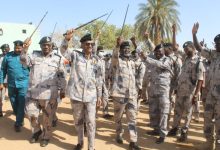
مدينة الفاشر، عاصمة ولاية شمال دارفور، تشهد منذ عام 2023 تصاعدًا في النزاع المسلح بين الجيش السوداني وقوات الدعم السريع، وسط انهيار شبه كامل لمؤسسات الدولة.
الوضع في الفاشر ليس مجرد احتجاج، بل هو
– صراع دموي يهدد حياة المدنيين،
– ويؤدي إلى نزوح جماعي،
– وانتهاكات جسيمة لحقوق الإنسان.
لا توجد حركة منظمة بالمعنى السياسي، بل مقاومة شعبية للبقاء في وجه العنف.
*✅ أوجه الشبه*بين كفاية ومايحدث فى الفاشر :
– *الرفض الشعبي للسلطة*:
كلا الحالتين تعبران عن رفض شعبي للسلطة القائمة، سواء كانت ديكتاتورية أو عسكرية. حركة كفاية نشأت ضد تمديد حكم مبارك، بينما ما يحدث في الفاشر يعكس رفضًا للانفلات الأمني والصراعات المسلحة.
– *دور الشباب والمجتمع المدني*:
في الحالتين، كان للشباب والمجتمع المدني دور محوري في التعبير عن الغضب والمطالبة بالتغيير.
– *الطابع الاحتجاجي*:
كلاهما اتخذ شكل احتجاجات شعبية، وإن كانت كفاية سلمية في الأساس، بينما الوضع في الفاشر أكثر تعقيدًا بسبب الطابع العسكري والنزاع المسلح.
*🔍 أوجه الاختلاف :
الطبيعة :
– حركة كفاية سياسية سلمية مقابل صراع مسلح ونزاع إنساني
الهدف :
– رفض التمديد للحكم وتوريث السلطة مقابل حماية المدنيين من الانفلات الأمني
الوسائل :
– مظاهرات سلمية مقابل بيانات سياسية ومقاومة شعبية سببت نزوح وطلب تدخل دولي
السياق :
– مصر دولة مستقرة نسبيًا مقابل دولة منهارة تعاني من حرب أهلية
رد فعل السلطة :
– قمع أمني وملاحقات مقابل قصف، حصار، انتهاكات جسيمة—
*🧠 خلاصة*
رغم التباين الكبير بين كفاية وما يحدث في الفاشر، فإن كليهما يعكس جوهرًا مشتركًا هو
– رفض الظلم والسعي نحو العدالة.
لكن الفرق الجوهري يكمن في السياق والوسائل فبينما كانت
– كفاية صوتًا سياسيًا في دولة مستقرة،
– فإن الفاشر تصرخ وسط أنقاض دولة تتفكك.
*Kifaya and What Is Happening in El Fasher (Politics and Society)*
_Captain Mohamed Hassan Al-Tahir_
_Date: October 29, 2025_
✍️ In a world where politics intersects with society and protest movements intertwine with humanitarian crises, the importance of comparing different phenomena becomes evident to better understand both local and international contexts. Among such comparisons, the Egyptian “Kifaya” movement and the current events in El Fasher, Sudan, stand out as two examples reflecting popular anger—albeit under vastly different circumstances that call for a nuanced analysis of similarities and differences.
*📏 How Are Similarities and Differences Measured?*
The similarities and differences between political and social movements are assessed based on several key criteria:
– *Organizational Nature*:
Is it a civil movement or an armed rebellion?
– *Declared Objectives*:
Is the aim political change or civilian protection?
– *Methods Used*:
Does it rely on peaceful protest or military confrontation?
– *Historical and Geographical Context*:
Does it emerge within a stable state or a collapsed environment?
– *State Response*:
Is it met with political repression or mass violence?
These criteria allow for a deeper understanding of what unites and separates the two cases.
*🕰️ Historical Background*
The “Kifaya” movement, meaning “Enough” in Arabic, was a political movement founded in Egypt in December 2004 as a reaction to President Hosni Mubarak’s attempts to extend his rule and groom his son Gamal as successor.
Its simple slogan, “Kifaya,” captured widespread public rejection of corruption and authoritarianism. The movement was:
– Peaceful in nature
– Dependent on protests and political statements
– Inclusive of a wide spectrum of activists from various political backgrounds
Although it did not topple the regime, Kifaya laid the groundwork for the January 2011 revolution.
*🌍 What Is Happening in El Fasher: A Completely Different Context*
El Fasher, the capital of North Darfur State, has witnessed escalating armed conflict since 2023 between the Sudanese army and the Rapid Support Forces, amid near-total collapse of state institutions.
The situation in El Fasher is not merely a protest—it is:
– A bloody conflict threatening civilian lives
– Causing mass displacement
– Marked by grave human rights violations
There is no organized political movement in the traditional sense, but rather a popular struggle for survival in the face of violence.
—
*✅ Similarities Between Kifaya and El Fasher*
– *Popular Rejection of Authority*:
Both cases reflect public opposition to the ruling powers—whether dictatorial or military. Kifaya opposed Mubarak’s extended rule, while El Fasher reflects rejection of lawlessness and armed conflict.
– *Role of Youth and Civil Society*:
In both scenarios, youth and civil society played a central role in expressing anger and demanding change.
– *Protest Character*:
Both took the form of popular resistance. Kifaya was fundamentally peaceful, while El Fasher’s situation is more complex due to its militarized and violent nature.
—
*🔍 Differences*
CriterionKifaya MovementEvents in El Fasher *Nature* Peaceful political movementArmed conflict and humanitarian crisis *Objective* Opposing regime extension and successionProtecting civilians from lawlessness *Methods* Peaceful protests and political statementsPopular resistance, displacement, calls for international intervention *Context* Relatively stable state (Egypt)Collapsing state amid civil war (Sudan) *State Response* Security crackdowns and arrestsBombardment, siege, and severe violations—
*🧠 Conclusion*
Despite the stark contrast between Kifaya and what is happening in El Fasher, both reflect a shared essence:
– A rejection of injustice and a pursuit of justice.
However, the fundamental difference lies in context and methods. While:
– Kifaya was a political voice in a functioning state,
– El Fasher cries out amid the ruins of a disintegrating nation.