
ساعات تؤسس لمرحلة جديدة من الشراكة السودانية المصرية
متابعات : إبراهيم شقلاوي


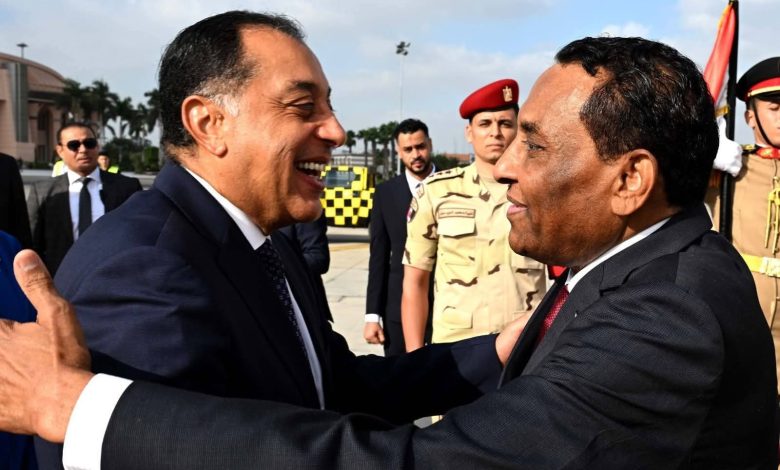
في أولى محطاته الخارجية منذ تولّيه منصب رئيس الوزراء ، اختار الدكتور. كامل إدريس العاصمة المصرية القاهرة وجهةً لزيارته الرسمية الأولى، وهو اختيار لا يمكن قراءته بمعزل عن السياق الإقليمي المتشابك والتحديات الداخلية المعقّدة التي يعيشها السودان، فضلًا عن الطبيعة الخاصة للعلاقات بين الخرطوم والقاهرة. فرغم قصر مدة الزيارة، إلا أن رمزيتها السياسية، وثقل ملفاتها، ومخرجاتها النوعية، تمنحها بُعدًا استراتيجيًا لا تخطئه العين.. في هذا التحليل المختصر نحاول الوقوف علي الابعاد السياسية والاقتصادية للزيارة
جاءت الزيارة في وقت يمر فيه السودان بأزمة وطنية خانقة، تتنازعها الحرب والانقسام، وسط جهود مضنية لإعادة بناء الدولة والانتقال السياسي. في مثل هذا الظرف، تغدو التحركات الخارجية من الأهمية بمكان لإعادة التموضع وإعادة ترتيب الأولويات الوطنية.
من هذا المنطلق، يُفهم اختيار القاهرة، بوصفها شريكًا تاريخيًا يمتلك رصيدًا سياسيًا وثقافيًا في معادلة السودان، وقادرًا على لعب دور داعم وحاسم في مراحل الانتقال والتعافي واعادة البناء .
اللقاء الذي جمع إدريس بالرئيس عبد الفتاح السيسي، والمباحثات الرسمية التي أجراها مع نظيره المصري الدكتور مصطفى مدبولي، حملت مضامين سياسية واضحة. فقد أعادت مصر تأكيد دعمها لوحدة السودان واستقراره، ورفضها أي محاولة لفرض حلول تُعمّق الانقسام أو تغذي الحرب . كما أكدت استعدادها للمساهمة في إعادة الإعمار، بما يشمل نقل خبراتها في مجالات البنية التحتية، والصحة، والتعليم، والطاقة، وهي قطاعات تُمثل أولويات عاجلة للسودان في هذه المرحلة.
وفي بُعد لا يقل أهمية، شكّلت قضية مياه النيل وسد النهضة محورًا رئيسيًا في المباحثات. فقد جدّد الجانبان تمسكهما بالتنسيق الكامل في هذا الملف الحيوي، ورفض النهج الأحادي الإثيوبي في إدارة مياه النيل، مؤكدين أهمية التعاون في إطار الهيئة الفنية المشتركة، ومبدأ التشاور المستمر كضمانة لتفادي التصعيد وحماية الحقوق المائية لدولتي المصب.
اقتصاديًا، اتجهت النقاشات نحو فتح آفاق جديدة للتكامل، خاصة في ما يتعلق بتعزيز الاستثمارات المصرية في السودان، ودفع مشروعات الربط الكهربائي والسكك الحديدية، وتسهيل التجارة البينية عبر المعابر الحدودية، بما يعكس تحول الرؤية الثنائية من مجرد علاقة جوار إلى شراكة تنموية متكاملة.
ومن اللافت في هذه الزيارة أن الوفد السوداني المرافق ضم وزراء في قطاعات محورية كالثقافة والإعلام والخارجية، رغم أن منصب وزير الخارجية لا يزال في وضع “التمثيل الجزئي” وزير دولة وهو أمر أثار تساؤلات حول تأخر الحسم في تشكيل الجهاز الدبلوماسي بكامل طاقته، خصوصًا في ظل الحاجة الماسة إلى صوت سوداني قوي ومتماسك في المحافل الدولية، يعبّر عن رؤية واضحة للحكومة الانتقالية.. كذلك غياب وزارة” الموارد المائية” المعنية بمياه النيل والاتفاقيات الدولية والتي يرى المراقبين المختصين ضرورة ان يبرز دورها ضمن حكومة الأمل.
المخرجات التي خلُصت إليها الزيارة، كما عبّر عنها البيان المشترك، أكدت أن الطرفين يدركان أهمية الانتقال من مستوى “التقارب التاريخي” إلى مستوى “التكامل الاستراتيجي”. فالتوافق على تفعيل اللجان المشتركة، وتنشيط قنوات التعاون القطاعي، والانخراط في برامج تأهيل الكوادر السودانية، كلها خطوات تُمهد لتحول نوعي في العلاقة، إذا ما وُضعت موضع التنفيذ.
ختامًا، فإن زيارة إدريس إلى القاهرة، وإن كانت محدودة في ساعاتها، إلا أنها مثّلت لحظة مفصلية في إعادة توجيه البوصلة السودانية نحو شراكة أوثق مع مصر. إنها زيارة عابرة بالزمن، لكنها ثقيلة بالمعاني، فتحت نافذة حقيقية للتفكير في العلاقة السودانية المصرية بوصفها مشروعًا استراتيجيًا مشتركًا، لا مجرد حالة ظرفية تفرضها الأزمات.
وإذا نجح الطرفان في ترجمة الافكار إلى أفعال، فإن هذه الساعات القليلة قد تُصبح أساسًا لمرحلة جديدة من التعاون الاستراتيجي تُعيد رسم ملامح الاستقرار في وادي النيل لفائدة الشعبين اللذان وحدتهم التحديات و المصالح المشتركة.
دمتم بخير وعافية.
الخميس 7 أغسطس 2025م Shglawi55@gmail.com
Hours That Lay the Foundation for a New Phase of Sudanese-Egyptian Partnership
By: Ibrahim Shaghlawi
In his first foreign visit since assuming the position of Prime Minister, Dr. Kamal Idris chose the Egyptian capital, Cairo, as the destination for his official trip — a choice that cannot be interpreted apart from the complex regional context and the intricate internal challenges facing Sudan, as well as the unique nature of relations between Khartoum and Cairo. Despite the brevity of the visit, its political symbolism, the weight of its agenda, and the quality of its outcomes grant it a strategic dimension that is hard to overlook. In this brief analysis, we attempt to explore the political and economic dimensions of the visit.
The visit came at a time when Sudan is experiencing a suffocating national crisis, torn by war and division, amid arduous efforts to rebuild the state and move toward political transition. In such a situation, foreign movements become of great importance for repositioning and reprioritizing national agendas.
From this perspective, Cairo was chosen as a historical partner with a deep political and cultural legacy in Sudan’s equation — a partner capable of playing a supportive and decisive role in the stages of transition, recovery, and reconstruction.
The meeting between Idris and President Abdel Fattah El-Sisi, along with the official talks held with his Egyptian counterpart Dr. Mostafa Madbouly, carried clear political implications. Egypt reaffirmed its support for Sudan’s unity and stability and its rejection of any attempts to impose solutions that deepen division or fuel war. Egypt also expressed its readiness to contribute to reconstruction, including transferring its expertise in infrastructure, health, education, and energy — all of which represent urgent priorities for Sudan at this stage.
Equally important, the issue of Nile waters and the Grand Ethiopian Renaissance Dam (GERD) was a central topic in the discussions. Both sides reiterated their commitment to full coordination on this vital issue and their rejection of Ethiopia’s unilateral approach in managing the Nile waters, emphasizing the importance of cooperation within the framework of the Joint Technical Committee and the principle of ongoing consultation as a guarantee to avoid escalation and protect the water rights of both downstream countries.
Economically, discussions moved toward opening new horizons for integration, particularly in enhancing Egyptian investments in Sudan, advancing projects for electrical and railway interconnection, and facilitating cross-border trade through border crossings. This reflects a shift in the bilateral vision from mere neighboring relations to a comprehensive developmental partnership.
What stood out during the visit was the composition of the accompanying Sudanese delegation, which included ministers in key sectors such as culture, media, and foreign affairs — despite the foreign ministry still being represented only by a “State Minister.” This raised questions about the delay in forming a fully empowered diplomatic apparatus, especially given the urgent need for a strong and cohesive Sudanese voice in international forums — one that articulates a clear vision of the transitional government. Also notable was the absence of the Ministry of Water Resources — the body responsible for Nile waters and international agreements — whose role, according to observers, is crucial and should be highlighted as part of the “Government of Hope.”
The outcomes of the visit, as expressed in the joint statement, confirmed that both parties recognize the importance of moving from a “historic closeness” to “strategic integration.” The agreement to activate joint committees, stimulate sectoral cooperation channels, and engage in programs to train Sudanese cadres are all steps that pave the way for a qualitative transformation in relations — if implemented effectively.
In conclusion, although Idris’s visit to Cairo was limited in hours, it represented a pivotal moment in redirecting Sudan’s compass toward a closer partnership with Egypt. It was a brief visit in time, but heavy in meaning — opening a real window to reframe Sudanese-Egyptian relations as a joint strategic project, not just a circumstantial necessity dictated by crises.
If both sides succeed in translating ideas into action, these few hours may well become the foundation for a new phase of strategic cooperation that redraws the contours of stability in the Nile Valley — to the benefit of two peoples united by challenges and shared interests.
Stay well and in good health.
Thursday, August 7, 2025
Shglawi55@gmail.com