
وجه الحقيقة | إبراهيم شقلاوي يكتب السودان : تحركات إقليمية ودولية وبداية حصاد النقاط

ظل السودان خلال الحرب الحالية يتحرك في فضاء دبلوماسي وأمني مكثف على المستويين الإقليمي والدولي في مواجهة مليشيا الدعم السريع وداعميها داخليًا وخارجيًا . التحركات السودانية اعتمدت على استراتيجية دقيقة تهدف إلى استعادة الشرعية الدولية ، وتعزيز صورة الدولة السودانية كمدافع عن سيادتها ضد أخطر مؤامرة شهدتها في تاريخها الحديث . الآن مع تطور الأحداث بدأ السودان يحصد ثمار هذه التحركات ، ليس فقط على مستوى تحسين العلاقات الخارجية ، بل أيضًا من خلال بناء مواقف داعمة إقليميًا ودوليًا . في هذا المقال نناقش هذه الافكار بالتركيز علي مؤتمر ميونخ للأمن وقمة الاتحاد الأفريقي .


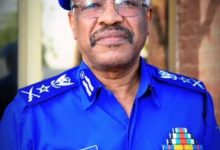
كان من أبرز محطات السودان في هذا الإطار مشاركته الفعّالة في مؤتمر ميونخ للأمن ، وهو المنتدى الأمني الأهم عالميًا ، حيث مثّل السودان كل من وزير خارجيته د. علي يوسف ومدير جهاز المخابرات العامة الفريق أول أحمد إبراهيم مفضل . هذه المشاركة أكدت على الأهمية الجيوسياسية للسودان ، وسلطت الضوء على نجاحات الجهاز الأمني والدبلوماسي في إحباط المؤامرات الخارجية ، وفضح دور مليشيا الدعم السريع أمام العالم .
التكامل بين التحركات العسكرية المتسارعة علي الأرض والأمنية والدبلوماسية ظهر بوضوح في اختراقات السودان على الساحة الأوروبية ، خاصة مع فرنسا وإيطاليا . زيارة المبعوث الفرنسي إلى السودان وتصريحاته الداعمة للحكومة السودانية ورفضه التعامل مع مليشيا الدعم السريع بحسب وكالات تمثل نجاحًا واضحًا للدبلوماسية الأمنية .
مؤتمر ميونخ الذي شهد على مر تاريخه تقريب وجهات النظر بين القوى الكبرى ، أتاح للسودان فرصة استثنائية لإجراء لقاءات ثنائية مع ممثلي الدول الفاعلة عالميًا مثل ألمانيا وقطر ومصر ، إلى جانب وفود الاتحاد الأوروبي . هذه اللقاءات ركزت على تقديم السودان كدولة مسؤولة تبحث عن الاستقرار الإقليمي ، وتعمل على حماية المدنيين ، رغم الظروف القاسية التي فرضتها عليه الحرب .
على الصعيد الأمني حقق جهاز المخابرات العامة السوداني اختراقات حاسمة في عزل مليشيا الدعم السريع عن داعميها الإقليميين والدوليين . النجاح في بناء علاقات جديدة مع أجهزة مخابرات دولية ، من بينها لقاءات الكواليس في ميونخ التي لم يفصح عن تفاصيلها لطبيعتها الأمنية ، مكّن السودان من عزل الموقف البريطاني وتجسير العلاقات مع فرنسا . هذه التحركات تعكس قدرة السودان على إدارة لعبة المصالح الكبرى بمهارة رغم التحديات .
في الإطار الإقليمي، ظهر دعم عدد من الدول الأفريقية مثل مصر والجزائر وجنوب أفريقيا وإثيوبيا للسودان في مواجهة مليشيا الدعم السريع . هذا الدعم تمثل في تبني مواقف واضحة في الاتحاد الأفريقي لإدانة التمرد ، مع دعم خريطة الطريق السودانية لتشكيل حكومة مدنية انتقالية .
يواصل السودان حصد النقاط السياسية والدبلوماسية والأمنية لتحقيق دعم إقليمي ودولي يسهم في تعزيز استقراره وتثبيت شرعيته . وفي هذا السياق أصدرت وزارة الخارجية السودانية بحسب “منصة أخبار السودان “بيانًا رحبت فيه بمقترح تقدمت به دول أعضاء في الاتحاد الإفريقي لإدانة تمرد مليشيا الدعم السريع ، مؤكدة وقوفها مع الشرعية السودانية ومؤازرة الحكومة الانتقالية وقوات الشعب المسلحة .
البيان السوداني أشار بوضوح إلى مواقف إيجابية لدول أفريقية بارزة منها مصر والجزائر وجنوب إفريقيا وإريتريا وتونس ومالي والصومال والسنغال وكوت وساحل العاج وبوروندي وموريتانيا وبوتسوانا والتي أكدت دعمها للشرعية السودانية وخارطة الطريق المقدمة من الحكومة الانتقالية لتشكيل حكومة مدنية . هذه المواقف الإقليمية تُبرز تضامن القارة مع السودان في ظل أزمته الحالية خاصة أن تلك الدول شددت على أهمية الحفاظ على مؤسسة الجيش باعتبارها قومية وضامنة لوحدة السودان واستقراره .
من جهته وفي تطور لافت أكد رئيس الوزراء الإثيوبي آبي أحمد، في تغريدة له على منصة “إكس”، وقوف إثيوبيا بجانب الشعب السوداني في محنته. مشيرًا إلى الروابط العميقة والتاريخية بين البلدين ، حيث أعرب عن سعادته باستضافة المؤتمر الإنساني رفيع المستوى لدعم السودان . هذا التصريح يعكس التوجه الإقليمي نحو تكثيف الجهود الإنسانية والدبلوماسية لدعم الشعب السوداني خلال الأوقات العصيبة .
وفقًا لمصادر نقلتها “الجزيرة”، فإن مقترح إدانة تمرد قوات الدعم السريع كان مبادرة من الدول الأعضاء في الاتحاد الإفريقي ، التي أكدت في الوقت ذاته على أهمية دعم خارطة الطريق السودانية ، مما يعكس إجماعًا إفريقيًا يعزز من موقف السودان في المحافل الدولية .
لكن الأزمة السودانية مؤكد تمثل تحديًا كبيرًا للقارة ، مع تعقيدات إنسانية هائلة وصراعات محتدمة. دعوات مجلس السلم والأمن الأفريقي لوقف إطلاق النار وإطلاق حوار شامل تعكس إدراكًا جماعيًا بخطورة الأزمة على السودان والمنطقة ككل . هذا الدعوة إن كانت جادة في دعم السودان بحسب مراقبين عليها أن تبدأ أولا بإعادة تعريف الحرب بانها تمرد من قوات تم اسنادها بظهير اقليمي بذلك تكون البداية وقف هذا الإسناد والإمداد اللوجستي للمليشيا وتسمية الضالعين في إشعال الحرب وإدانتهم بصورة واضحة بالإضافة إلى دعم موقف السودان من خلال استعادة عضويته في الاتحاد الإفريقي .
في ظل التحديات الراهنة يعتمد السودان على تكامل أدوار مؤسساته الأمنية والدبلوماسية لتحقيق توازن بين الدفاع عن سيادته ، وإطلاق مبادرات سلام تضمن عودة الاستقرار . التنسيق بين التحركات العسكرية على الأرض ، والدبلوماسية المدعومة بقاعدة شعبية وسياسية قوية ، يتيح للسودان مساحة أكبر لإعادة بناء دولته ، وتعزيز موقعه في المحافل الدولية .
عليه وبحسب ما نراه من وجه الحقيقة فإن تحركات السودان الإقليمية والدولية خلال الأشهر الأخيرة تؤكد أن الدولة قادرة على مواجهة أصعب الأزمات ، من خلال العمل المنسق بين مؤسساتها المختلفة . نجاحاتها في مؤتمر ميونخ وفي إعادة بناء علاقاتها الإقليمية والدولية ، تضعها على أعتاب مرحلة جديدة من تعزيز الأمن والسلام ليس فقط داخل حدودها ، ولكن في محيطها الإقليمي أيضًا . لذلك بجب ان تستمر هذه التحركات الإيجابية لتعزيز موقف السودان في الانتقال السياسي والأمني عقب الحرب بما يضمن للسودانيين استدامة السلام .
دمتم بخير وعافية .
الأثنين 17 فبراير 2025 م
Shglawi55@gmail.com
The Truth Perspective | Ibrahim Shglawi
Sudan: Regional and International Moves and the Beginning of Reaping the Rewards
During the ongoing war, Sudan has been actively engaged in intense diplomatic and security efforts at both the regional and international levels, confronting the Rapid Support Forces (RSF) militia and its supporters, both domestically and abroad. These efforts have been based on a precise strategy aimed at restoring international legitimacy and reinforcing Sudan’s image as a sovereign state defending itself against one of the most dangerous conspiracies in its modern history. Now, as events unfold, Sudan has begun to reap the benefits of these efforts—not only in improving its foreign relations but also in building strong regional and international support. In this article, we discuss these developments, with a focus on the Munich Security Conference and the African Union Summit.
Sudan’s Role at the Munich Security Conference
One of Sudan’s most notable recent moves was its active participation in the Munich Security Conference, the world’s most important security forum. Sudan was represented by its Minister of Foreign Affairs and the Director of the General Intelligence Service, Lieutenant General Ahmed Ibrahim Mufadel. This participation underscored Sudan’s geopolitical importance and highlighted the successes of its security and diplomatic apparatus in thwarting external conspiracies and exposing the RSF’s role to the world.
The integration between Sudan’s accelerated military movements on the ground and its diplomatic and security efforts became evident in the breakthroughs Sudan achieved in the European arena, particularly with France and Italy. The visit of the French envoy to Sudan and his statements in support of the Sudanese government—rejecting any dealings with the RSF militia, as reported by news agencies—represent a clear success for Sudan’s security diplomacy.
The Munich Conference, which has historically facilitated dialogue between major powers, provided Sudan with a unique opportunity to hold bilateral meetings with representatives of influential global actors such as Germany, Qatar, and Egypt, as well as European Union delegations. These meetings focused on presenting Sudan as a responsible state striving for regional stability and committed to protecting civilians despite the harsh circumstances imposed by the war.
Security and Diplomatic Efforts to Isolate the RSF
On the security front, Sudan’s General Intelligence Service achieved critical breakthroughs in isolating the RSF militia from its regional and international backers. Sudan’s ability to establish new relations with international intelligence agencies—including undisclosed meetings held on the sidelines of the Munich conference—enabled it to shift British policy and strengthen ties with France. These efforts demonstrate Sudan’s capability to navigate complex global interests skillfully, despite prevailing challenges.
Regional Support for Sudan within the African Union
At the regional level, several African nations, including Egypt, Algeria, South Africa, and Ethiopia, have expressed support for Sudan in its confrontation with the RSF militia. This support was reflected in clear positions adopted within the African Union, condemning the rebellion and endorsing Sudan’s roadmap for forming a transitional civilian government.
In this context, Sudan’s Ministry of Foreign Affairs, according to the “Sudan News Platform,” issued a statement welcoming a proposal by African Union member states to condemn the RSF rebellion. The statement reaffirmed Sudan’s commitment to legitimacy and expressed support for the transitional government and the Sudanese Armed Forces.
The Sudanese statement explicitly highlighted positive stances from key African nations, including Egypt, Algeria, South Africa, Eritrea, Tunisia, Mali, Somalia, Senegal, Côte d’Ivoire, Burundi, Mauritania, and Botswana, which affirmed their support for Sudan’s legitimacy and the roadmap presented by the transitional government for forming a civilian administration. These regional positions reflect the continent’s solidarity with Sudan amid its ongoing crisis, particularly as these nations emphasized the importance of preserving the army as a national institution and a guarantor of Sudan’s unity and stability.
Ethiopia’s Stance and Humanitarian Initiatives
In a significant development, Ethiopian Prime Minister Abiy Ahmed stated in a post on “X” that Ethiopia stands with the Sudanese people during their hardship, emphasizing the deep historical and cultural ties between the two countries. He also expressed his enthusiasm for hosting a high-level humanitarian conference to support Sudan. This statement reflects the regional shift towards intensifying diplomatic and humanitarian efforts to assist Sudan during these difficult times.
Challenges and the African Perspective on Sudan’s Crisis
According to sources cited by Al Jazeera, the proposal to condemn the RSF rebellion originated from African Union member states, who also underscored the importance of supporting Sudan’s roadmap. This reflects an emerging African consensus that strengthens Sudan’s position in international forums.
However, Sudan’s crisis presents a major challenge for the continent, with immense humanitarian complexities and escalating conflicts. The African Peace and Security Council’s calls for a ceasefire and comprehensive dialogue highlight a collective awareness of the crisis’s gravity for Sudan and the wider region. If these calls are to genuinely support Sudan, they must first redefine the conflict as a rebellion backed by regional actors. The initial steps should include halting this external support, cutting off logistical supplies to the militia, identifying and explicitly condemning those responsible for fueling the war, and reinstating Sudan’s membership in the African Union.
Conclusion: Sudan on the Brink of a New Phase
Amid these challenges, Sudan relies on the synergy of its security and diplomatic institutions to strike a balance between defending its sovereignty and launching peace initiatives to restore stability. The coordination between military actions on the ground and diplomacy backed by a solid political and popular base provides Sudan with greater leverage to rebuild its state and enhance its standing in international forums.
From the Truth Perspective, Sudan’s regional and international moves over the past months demonstrate its ability to navigate even the most challenging crises through coordinated efforts among its various institutions. Its successes at the Munich Conference and in rebuilding its regional and international relationships position Sudan on the verge of a new phase of enhanced security and peace—not only within its borders but also across the wider region. It is, therefore, essential that these positive efforts continue to reinforce Sudan’s political and security transition after the war, ensuring long-term peace for the Sudanese people.
Wishing you all well and in good health.
Sunday, February 16, 2025
Shglawi55@gmail.com